Back to the shop

Things I recommend

The fidgets, calm-down gear and feelings tools from my sessions, with how I actually use each one.

Buying guides

Not sure where to start? These are the sets I’d put together for you.

For waiting & outings

7 picks I reach for. Show everything

I don't earn anything from these links. They're just things I'd recommend anyway.

NeeDoh Nice Cube

Fidgets & sensory

  • Meltdowns
  • Waiting & outings
  • Focus
  • Ages 3+

Why I recommend it

Dr. Hayley Crain, child psychologist

When feelings get big, little hands often need something to do. This cube is dense and squishy, so it gives a strong, satisfying squeeze. I've bought this one more than once because it holds up and kids keep coming back to it.

How to use it

  1. Keep it somewhere easy to grab, like the calm-down spot or your bag.
  2. Show your child how to squeeze slowly while you breathe out together.
  3. Offer it early, before the feeling peaks, not as a fix at the very top.

Try saying

“Want to squeeze the cube with me while we breathe?”

Good to know

Squishy toys can tear if bitten or poked. Check it now and then and retire it if the skin splits.

Open as a page to save or share

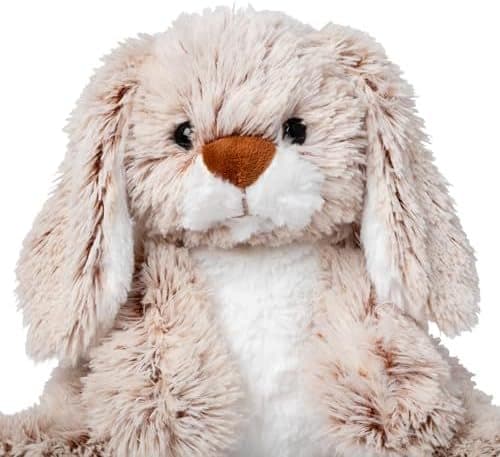
Soft bunny plush

Bedtime & wind-down

  • Bedtime
  • Transitions
  • Waiting & outings
  • Ages 3+

Why I recommend it

Dr. Hayley Crain, child psychologist

A soft comfort buddy can make hard moments feel smaller. This bunny comes along to bedtime, transitions and tough appointments. I keep a few, so one is always in the bag and a spare is ready if one goes missing.

How to use it

  1. Let your child give it a name and make it theirs.
  2. Bring it to new places, appointments and sleepovers.
  3. Buy a spare and rotate them so both smell and feel familiar.

Try saying

“Bunny can come with you. Give bunny a squeeze if you feel worried.”

Good to know

Follow safe sleep guidance for babies. Soft toys are not recommended in the crib for infants.

Open as a page to save or share

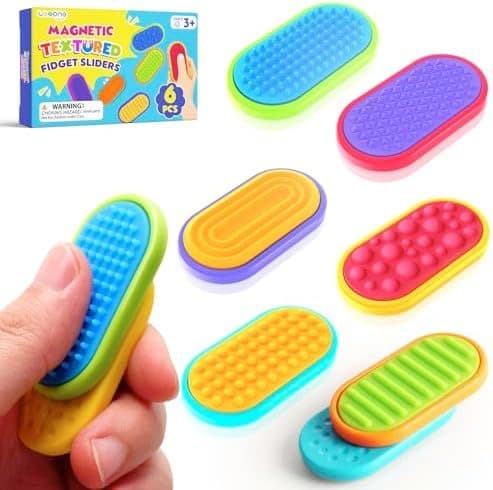
Silicone magnet slider fidget

Fidgets & sensory

  • Focus
  • Waiting & outings
  • Ages 6+

Why I recommend it

Dr. Hayley Crain, child psychologist

Some kids think better when their hands are busy. This slider is quiet and repetitive, so it can come along to class, the car or the dinner table without bothering anyone. It gives restless fingers a job.

How to use it

  1. Let your child try it at home first so it feels familiar.
  2. Agree on where it lives, like a pencil case or car door pocket.
  3. Treat it as a tool for focus, not a toy to put away when it is used.

Try saying

“Your hands can slide this while your ears listen.”

Good to know

It has magnets inside. Keep it away from little siblings who still put things in their mouths.

Open as a page to save or share

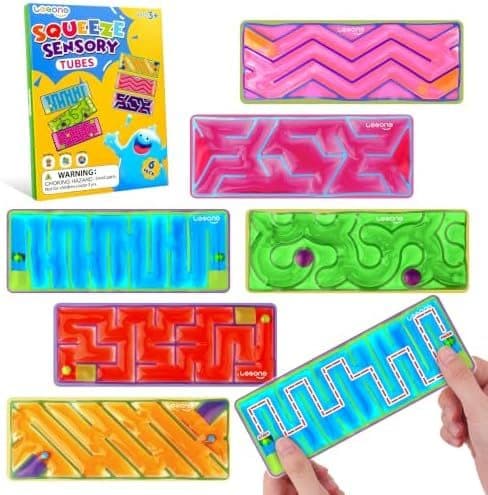
Squishy maze fidgets

Fidgets & sensory

  • Meltdowns
  • Waiting & outings
  • Focus
  • Ages 3+

Why I recommend it

Dr. Hayley Crain, child psychologist

These give two things at once: a squeeze for the body and a small goal for the mind. Steering the ball through the maze slows things down and pulls attention away from the upset. A good one to keep in a calm-down kit.
How to use it

  1. Add one or two to your calm-down kit or basket.
  2. Show your child how to squeeze and tilt to move the ball along.
  3. Let them go at their own pace. There is no need to finish the maze.

Try saying

“Can you get the ball all the way to the end?”

Good to know

Check for tears or leaks now and then, especially if your child likes to bite or pick at toys.

Open as a page to save or share

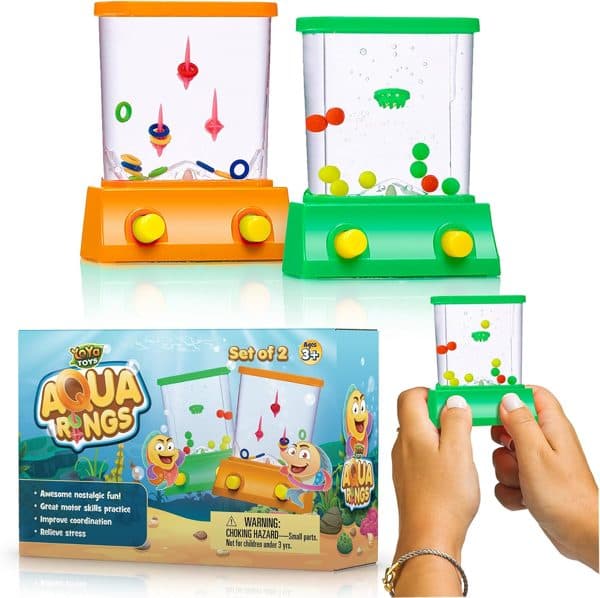
Handheld water ring game

Fidgets & sensory

  • Waiting & outings
  • Ages 3+

Why I recommend it

Dr. Hayley Crain, child psychologist

A simple, screen-free way to pass the time. Pressing the button and watching the rings float down is calming to watch and just tricky enough to hold attention. Great for waiting rooms and restaurants.
How to use it

  1. Keep it in your bag for appointments, restaurants and long lines.
  2. Show your child how to press gently and tilt to land the rings.
  3. Save it for waiting times so it stays special.

Try saying

“Let's see how many rings you can land while we wait.”

Good to know

It is filled with water. Check the seal now and then so it does not leak in a bag.

Open as a page to save or share

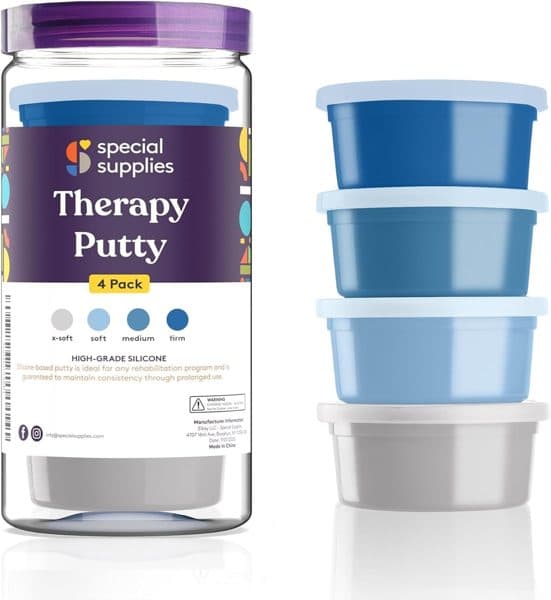
Therapy putty, four strengths

Fidgets & sensory

  • Focus
  • Waiting & outings
  • Ages 4+

Why I recommend it

Dr. Hayley Crain, child psychologist

Therapy putty comes in different strengths, so your child can start easy and work up. Squeezing, pulling and rolling it builds hand strength for things like writing and buttons. It also doubles as a squishy fidget.

How to use it

  1. Start with the softest one and move up only when it feels easy.
  2. Try hiding small beads in it to find, with supervision.
  3. Put it back in its container after play so it does not dry out or pick up lint.

Try saying

“Can you stretch it as long as your arm?”

Good to know

Putty can stick to fabric and carpet. Play at a table, and keep it from little ones who mouth things.

Open as a page to save or share

Candy Land, Bluey edition

Feelings & connection

  • Connection
  • Waiting & outings
  • Ages 3+

Why I recommend it

Dr. Hayley Crain, child psychologist

No reading is needed, so younger kids can play on their own terms. It is all luck, which makes it gentle practice with taking turns and with losing. The Bluey theme helps keep them at the table.

How to use it

  1. Talk about what you will do if you lose before you start.
  2. Name it out loud when you lose, and show how you handle it.
  3. Keep games short and stop while it is still fun.

Try saying

“Win or lose, we can still have fun playing.”

Good to know

Small game pieces. Keep them away from children under 3.

Open as a page to save or share