Back to the shop

Things I recommend

The fidgets, calm-down gear and feelings tools from my sessions, with how I actually use each one.

Buying guides

Not sure where to start? These are the sets I’d put together for you.

For connection

12 picks I reach for. Show everything

I don't earn anything from these links. They're just things I'd recommend anyway.

Butter and cloud slime kit

Fidgets & sensory

  • Focus
  • Connection
  • Ages 6+

Why I recommend it

Dr. Hayley Crain, child psychologist

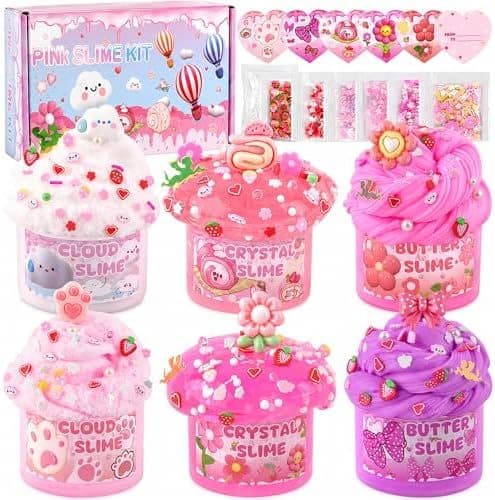
For kids who love to touch, press and squish, different slime textures make for satisfying, focused play. Butter slime spreads and cloud slime feels light and fluffy. It is a hands-on way to settle in.

How to use it

  1. Set up at a table with a tray or mat underneath.
  2. Let your child explore one texture at a time and talk about how each feels.
  3. Store each slime in its sealed tub when you are done.

Try saying

“Which one feels better on your hands today?”

Good to know

Slime is messy and can stick to clothes and carpet. Supervise younger kids and wash hands after.

Open as a page to save or share

Rainbow canopy nook

Calm-down corner

  • Meltdowns
  • Bedtime
  • Connection
  • Ages 3+

Why I recommend it

Dr. Hayley Crain, child psychologist

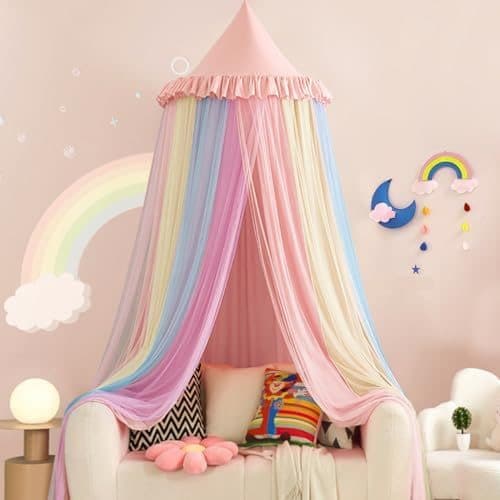
Some kids settle faster in a small, enclosed space. This canopy makes a cozy spot that can become a calm-down or reading corner. Add a few pillows and a soft light and it becomes a place they choose to go.
How to use it

  1. Hang it in a quiet corner, away from the busiest part of the room.
  2. Add a cushion, a few books and one or two calming tools.
  3. Spend calm time there together first, so it feels safe, not like a time-out.

Try saying

“Want to take a break in your cozy spot?”

Good to know

Follow the hanging instructions and keep cords and fabric out of reach of babies and toddlers.

Open as a page to save or share

Color-in cardboard playhouse

Calm-down corner

  • Meltdowns
  • Connection
  • Ages 3+

Why I recommend it

Dr. Hayley Crain, child psychologist

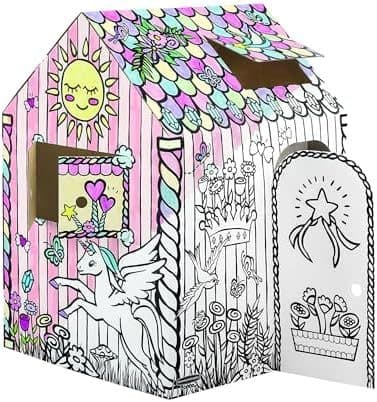
Kids decorate this playhouse themselves, so it feels like theirs from the start. Once it is colored in, it becomes their own hideaway for quiet time, reading or pretend play. A low-cost way to make a calm space.

How to use it

  1. Color it in together over a few days. That part is calming too.
  2. Put it in a quiet spot with a pillow or blanket inside.
  3. Let it be their space. Knock before you come in.

Try saying

“This is your space. You can go there whenever you need a break.”

Good to know

It is cardboard, so it will wear over time. Keep it away from water and heavy climbing.

Open as a page to save or share

Big bubble wands

Calm-down corner

  • Meltdowns
  • Connection
  • Ages 3+

Why I recommend it

Dr. Hayley Crain, child psychologist

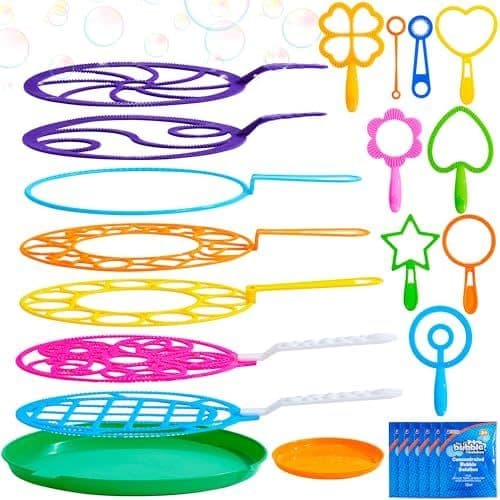
Big bubbles need slow, steady breaths, so blowing bubbles is slow breathing in disguise. Kids practice the skill without it feeling like a lesson. Fun outside, too.

How to use it

  1. Practice when your child is calm, so the breathing feels familiar later.
  2. Show a long, slow breath out to make the biggest bubble.
  3. Count the breath out together, nice and slow.

Try saying

“Let's make the biggest, slowest bubble we can.”

Good to know

Bubble solution makes floors slippery. Use it outside or on a towel, and supervise little ones.

Open as a page to save or share

Feelings sticker book

Feelings & connection

  • Connection
  • Transitions
  • Ages 4+

Why I recommend it

Dr. Hayley Crain, child psychologist

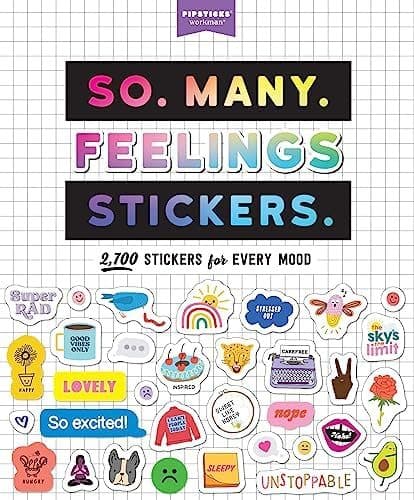
Many kids feel things before they have words for them. This sticker book gives you thousands of feeling words and faces for charts, journals and quick check-ins. Pointing to a sticker can be easier than saying it out loud.
How to use it

  1. Make a simple check-in chart and add a sticker each morning or after school.
  2. Let your child pick the face that matches how they feel, with no wrong answers.
  3. Add your own sticker too, so it feels shared.

Try saying

“Which face looks like how you feel right now?”

Open as a page to save or share

Monster finger puppets

Feelings & connection

  • Connection
  • Ages 3+

Why I recommend it

Dr. Hayley Crain, child psychologist

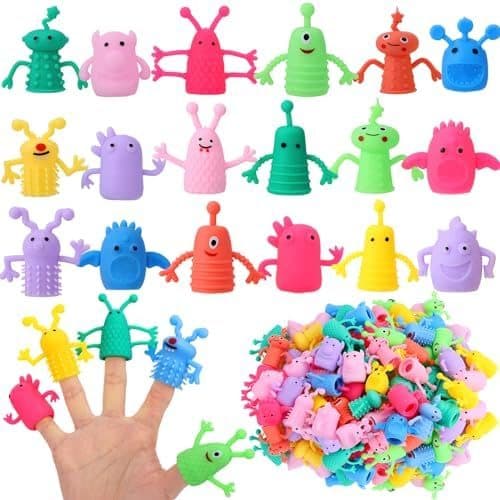
Sometimes it is easier to say a hard thing through a puppet. These monster finger puppets are great for acting out feelings, practicing what to say, or giving a worry a silly voice. They also make you a little sillier, which helps.

How to use it

  1. Give each puppet a feeling, like mad, sad or worried.
  2. Let the puppet ask the questions instead of you.
  3. Keep it light. Follow your child's lead and stop when they are done.

Try saying

“What would this little monster say about today?”

Good to know

Small and easy to lose. Keep them away from babies and toddlers who mouth toys.

Open as a page to save or share

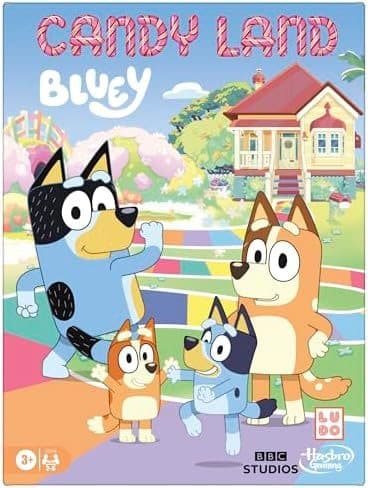
Candy Land, Bluey edition

Feelings & connection

  • Connection
  • Waiting & outings
  • Ages 3+

Why I recommend it

Dr. Hayley Crain, child psychologist

No reading is needed, so younger kids can play on their own terms. It is all luck, which makes it gentle practice with taking turns and with losing. The Bluey theme helps keep them at the table.

How to use it

  1. Talk about what you will do if you lose before you start.
  2. Name it out loud when you lose, and show how you handle it.
  3. Keep games short and stop while it is still fun.

Try saying

“Win or lose, we can still have fun playing.”

Good to know

Small game pieces. Keep them away from children under 3.

Open as a page to save or share

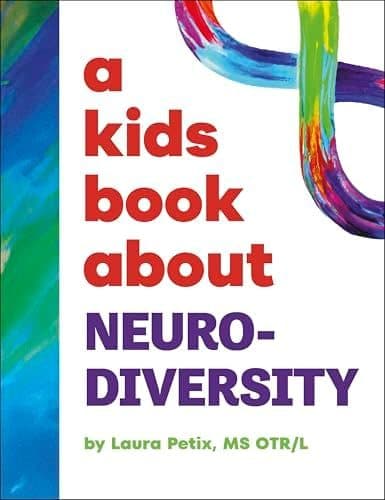
A Kids Book About Neurodiversity

Feelings & connection

  • Connection
  • Bedtime
  • Ages 5+

Why I recommend it

Dr. Hayley Crain, child psychologist

This book gives kid-friendly words for how brains can work in different ways. It helps kids understand themselves and the people around them. It is a good way to start a conversation without it feeling like a big talk.

How to use it

  1. Read it together at a calm time, not right after a hard moment.
  2. Pause and ask what parts sound like them or someone they know.
  3. Leave it on the shelf so they can come back to it.

Try saying

“Everyone's brain works a little differently. What is yours good at?”

Open as a page to save or share

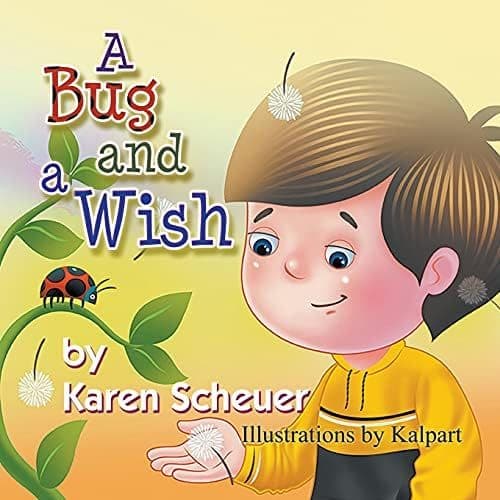
A Bug and a Wish

Feelings & connection

  • Connection
  • Bedtime
  • Ages 4+

Why I recommend it

Dr. Hayley Crain, child psychologist

A gentle story about hurtful words and how they feel. It opens up talks about teasing, kindness and what to do when someone says something unkind. Kids can see themselves in it without feeling singled out.

How to use it

  1. Read it at a quiet time, like bedtime.
  2. Ask how the characters might be feeling at different parts.
  3. Talk about what your child could say or do if it happened to them.

Try saying

“Has anyone ever said something that felt like that to you?”

Open as a page to save or share

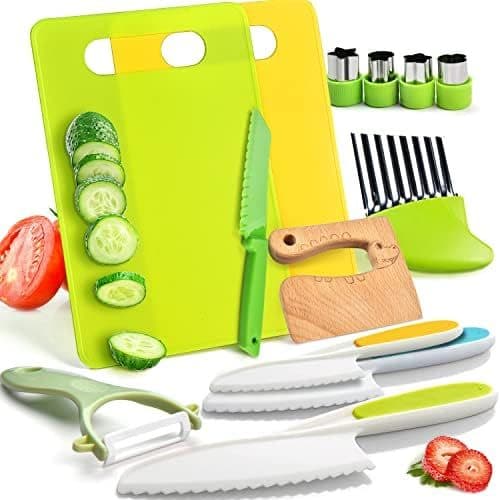
Kid-safe cooking tools

Routines & everyday wins

  • Connection
  • Focus
  • Ages 4+

Why I recommend it

Dr. Hayley Crain, child psychologist

These tools let kids really help in the kitchen. Cutting soft foods, stirring and spreading build independence and hand skills. And cooking together is a nice way to connect.

How to use it

  1. Start with soft foods like bananas, cucumbers or cheese.
  2. Show the safe way to hold the tool and the food first.
  3. Give one clear job at a time and stay right next to them.

Try saying

“You're in charge of cutting the bananas today.”

Good to know

Kid-safe does not mean no supervision. Stay close, especially with younger kids.

Open as a page to save or share

Big foam building bricks

Movement & big-body play

  • Meltdowns
  • Connection
  • Ages 3+

Why I recommend it

Dr. Hayley Crain, child psychologist

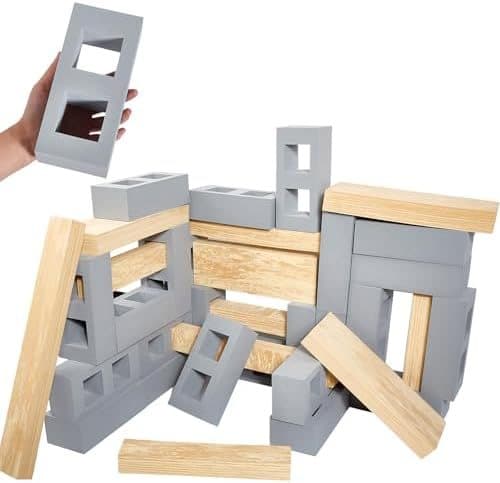
Big foam bricks are light and soft, so kids can build forts and crash zones safely. They are good for kids who need whole-body play. Building, knocking down and crashing can burn off a lot of energy.

How to use it

  1. Clear an open space with nothing sharp nearby.
  2. Build a wall or fort together, then let them crash it.
  3. Make clean-up part of the game by stacking them back up.

Try saying

“Build it tall, then crash it down.”

Good to know

Foam can be chewed into small pieces. Watch younger kids who like to bite things.

Open as a page to save or share

Rainbow dance ribbons

Movement & big-body play

  • Transitions
  • Focus
  • Connection
  • Ages 3+

Why I recommend it

Dr. Hayley Crain, child psychologist

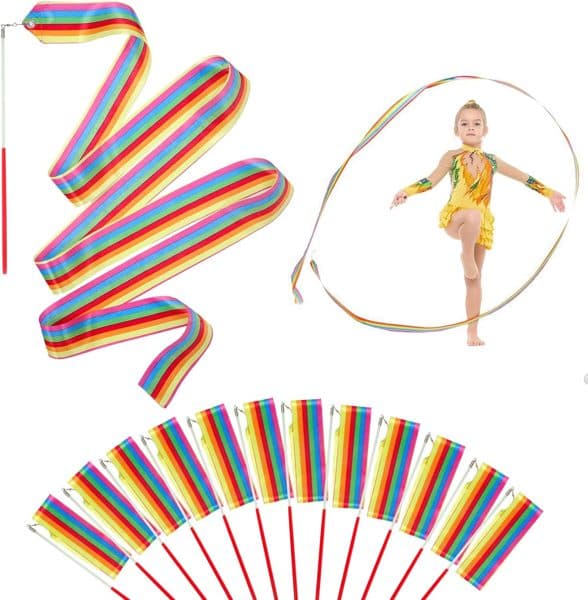
Big arm movements plus music make an easy movement break. Ribbons are light, colorful and fun to swirl, so even kids who resist exercise will join in. Good for between tasks or after a long sit.

How to use it

  1. Put on one or two songs your child likes.
  2. Make big circles, waves and zigzags together.
  3. End with a slow song and slow swirls to wind down.

Try saying

“Let's make the biggest circles we can.”

Good to know

Give each dancer plenty of space, and supervise little ones so ribbons stay away from necks.

Open as a page to save or share