Back to the shop

Things I recommend

The fidgets, calm-down gear and feelings tools from my sessions, with how I actually use each one.

Buying guides

Not sure where to start? These are the sets I’d put together for you.

For meltdowns

7 picks I reach for. Show everything

I don't earn anything from these links. They're just things I'd recommend anyway.

NeeDoh Nice Cube

Fidgets & sensory

  • Meltdowns
  • Waiting & outings
  • Focus
  • Ages 3+

Why I recommend it

Dr. Hayley Crain, child psychologist

When feelings get big, little hands often need something to do. This cube is dense and squishy, so it gives a strong, satisfying squeeze. I've bought this one more than once because it holds up and kids keep coming back to it.

How to use it

  1. Keep it somewhere easy to grab, like the calm-down spot or your bag.
  2. Show your child how to squeeze slowly while you breathe out together.
  3. Offer it early, before the feeling peaks, not as a fix at the very top.

Try saying

“Want to squeeze the cube with me while we breathe?”

Good to know

Squishy toys can tear if bitten or poked. Check it now and then and retire it if the skin splits.

Open as a page to save or share

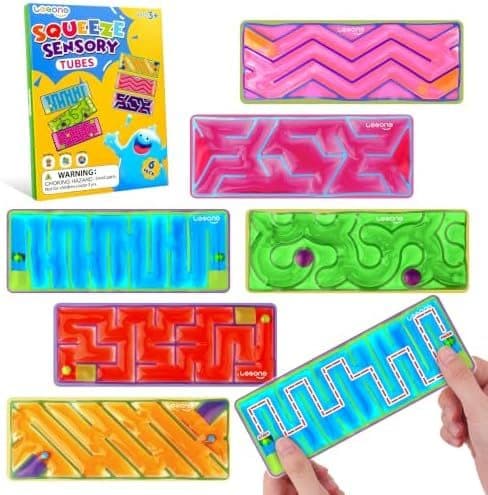
Squishy maze fidgets

Fidgets & sensory

  • Meltdowns
  • Waiting & outings
  • Focus
  • Ages 3+

Why I recommend it

Dr. Hayley Crain, child psychologist

These give two things at once: a squeeze for the body and a small goal for the mind. Steering the ball through the maze slows things down and pulls attention away from the upset. A good one to keep in a calm-down kit.
How to use it

  1. Add one or two to your calm-down kit or basket.
  2. Show your child how to squeeze and tilt to move the ball along.
  3. Let them go at their own pace. There is no need to finish the maze.

Try saying

“Can you get the ball all the way to the end?”

Good to know

Check for tears or leaks now and then, especially if your child likes to bite or pick at toys.

Open as a page to save or share

Kids' ear protection earmuffs

Calm-down corner

  • Meltdowns
  • Transitions
  • Ages 3+

Why I recommend it

Dr. Hayley Crain, child psychologist

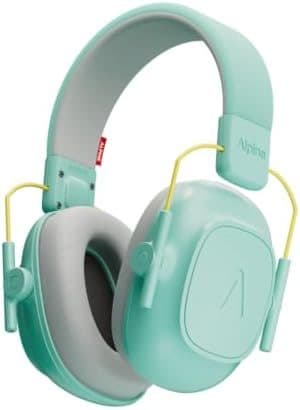
Loud places can be a lot for some kids. These earmuffs turn the noise down at fireworks, parties, sports games and busy stores, so your child can stay and enjoy more of it. Knowing they are in the bag can help, too.

How to use it

  1. Practice wearing them at home for short bits so they feel normal.
  2. Bring them to places you know will be loud.
  3. Let your child decide when to put them on and take them off.

Try saying

“If it gets too loud, your earmuffs are right here.”

Good to know

They lower noise but do not block it fully. Stay close in very loud places like fireworks.

Open as a page to save or share

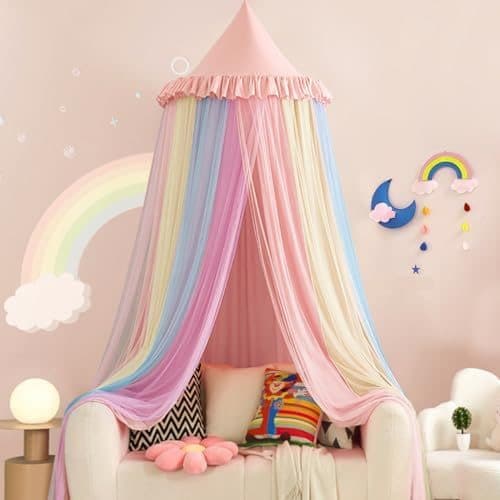
Rainbow canopy nook

Calm-down corner

  • Meltdowns
  • Bedtime
  • Connection
  • Ages 3+

Why I recommend it

Dr. Hayley Crain, child psychologist

Some kids settle faster in a small, enclosed space. This canopy makes a cozy spot that can become a calm-down or reading corner. Add a few pillows and a soft light and it becomes a place they choose to go.
How to use it

  1. Hang it in a quiet corner, away from the busiest part of the room.
  2. Add a cushion, a few books and one or two calming tools.
  3. Spend calm time there together first, so it feels safe, not like a time-out.

Try saying

“Want to take a break in your cozy spot?”

Good to know

Follow the hanging instructions and keep cords and fabric out of reach of babies and toddlers.

Open as a page to save or share

Color-in cardboard playhouse

Calm-down corner

  • Meltdowns
  • Connection
  • Ages 3+

Why I recommend it

Dr. Hayley Crain, child psychologist

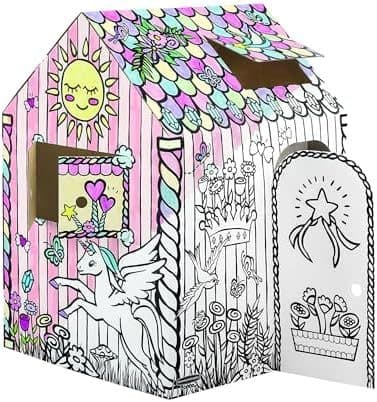
Kids decorate this playhouse themselves, so it feels like theirs from the start. Once it is colored in, it becomes their own hideaway for quiet time, reading or pretend play. A low-cost way to make a calm space.

How to use it

  1. Color it in together over a few days. That part is calming too.
  2. Put it in a quiet spot with a pillow or blanket inside.
  3. Let it be their space. Knock before you come in.

Try saying

“This is your space. You can go there whenever you need a break.”

Good to know

It is cardboard, so it will wear over time. Keep it away from water and heavy climbing.

Open as a page to save or share

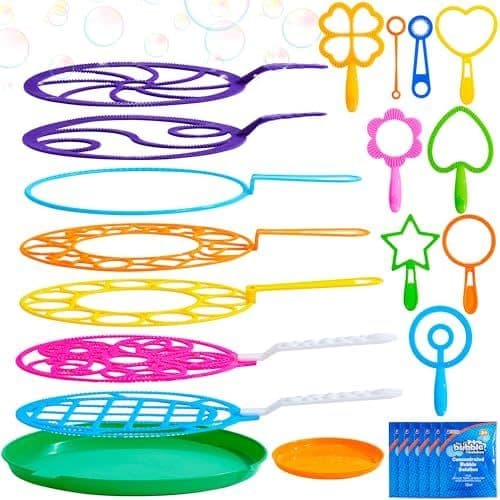
Big bubble wands

Calm-down corner

  • Meltdowns
  • Connection
  • Ages 3+

Why I recommend it

Dr. Hayley Crain, child psychologist

Big bubbles need slow, steady breaths, so blowing bubbles is slow breathing in disguise. Kids practice the skill without it feeling like a lesson. Fun outside, too.

How to use it

  1. Practice when your child is calm, so the breathing feels familiar later.
  2. Show a long, slow breath out to make the biggest bubble.
  3. Count the breath out together, nice and slow.

Try saying

“Let's make the biggest, slowest bubble we can.”

Good to know

Bubble solution makes floors slippery. Use it outside or on a towel, and supervise little ones.

Open as a page to save or share

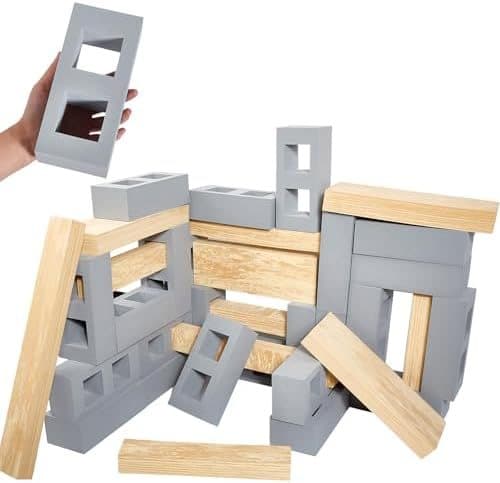
Big foam building bricks

Movement & big-body play

  • Meltdowns
  • Connection
  • Ages 3+

Why I recommend it

Dr. Hayley Crain, child psychologist

Big foam bricks are light and soft, so kids can build forts and crash zones safely. They are good for kids who need whole-body play. Building, knocking down and crashing can burn off a lot of energy.

How to use it

  1. Clear an open space with nothing sharp nearby.
  2. Build a wall or fort together, then let them crash it.
  3. Make clean-up part of the game by stacking them back up.

Try saying

“Build it tall, then crash it down.”

Good to know

Foam can be chewed into small pieces. Watch younger kids who like to bite things.

Open as a page to save or share