Back to the shop

Things I recommend

The fidgets, calm-down gear and feelings tools from my sessions, with how I actually use each one.

Buying guides

Not sure where to start? These are the sets I’d put together for you.

For focus

9 picks I reach for. Show everything

I don't earn anything from these links. They're just things I'd recommend anyway.

NeeDoh Nice Cube

Fidgets & sensory

  • Meltdowns
  • Waiting & outings
  • Focus
  • Ages 3+

Why I recommend it

Dr. Hayley Crain, child psychologist

When feelings get big, little hands often need something to do. This cube is dense and squishy, so it gives a strong, satisfying squeeze. I've bought this one more than once because it holds up and kids keep coming back to it.

How to use it

  1. Keep it somewhere easy to grab, like the calm-down spot or your bag.
  2. Show your child how to squeeze slowly while you breathe out together.
  3. Offer it early, before the feeling peaks, not as a fix at the very top.

Try saying

“Want to squeeze the cube with me while we breathe?”

Good to know

Squishy toys can tear if bitten or poked. Check it now and then and retire it if the skin splits.

Open as a page to save or share

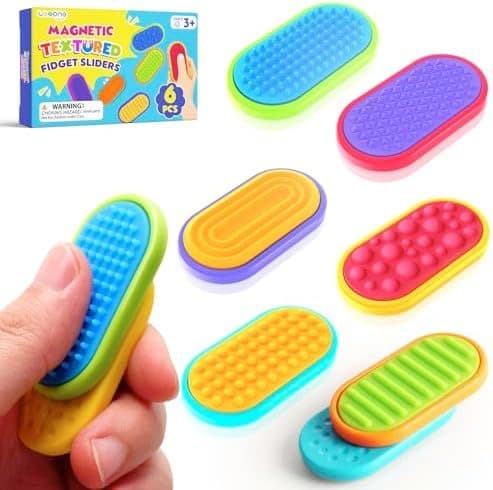
Silicone magnet slider fidget

Fidgets & sensory

  • Focus
  • Waiting & outings
  • Ages 6+

Why I recommend it

Dr. Hayley Crain, child psychologist

Some kids think better when their hands are busy. This slider is quiet and repetitive, so it can come along to class, the car or the dinner table without bothering anyone. It gives restless fingers a job.

How to use it

  1. Let your child try it at home first so it feels familiar.
  2. Agree on where it lives, like a pencil case or car door pocket.
  3. Treat it as a tool for focus, not a toy to put away when it is used.

Try saying

“Your hands can slide this while your ears listen.”

Good to know

It has magnets inside. Keep it away from little siblings who still put things in their mouths.

Open as a page to save or share

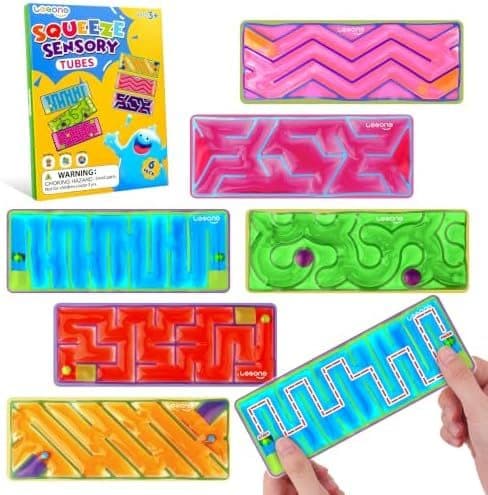
Squishy maze fidgets

Fidgets & sensory

  • Meltdowns
  • Waiting & outings
  • Focus
  • Ages 3+

Why I recommend it

Dr. Hayley Crain, child psychologist

These give two things at once: a squeeze for the body and a small goal for the mind. Steering the ball through the maze slows things down and pulls attention away from the upset. A good one to keep in a calm-down kit.
How to use it

  1. Add one or two to your calm-down kit or basket.
  2. Show your child how to squeeze and tilt to move the ball along.
  3. Let them go at their own pace. There is no need to finish the maze.

Try saying

“Can you get the ball all the way to the end?”

Good to know

Check for tears or leaks now and then, especially if your child likes to bite or pick at toys.

Open as a page to save or share

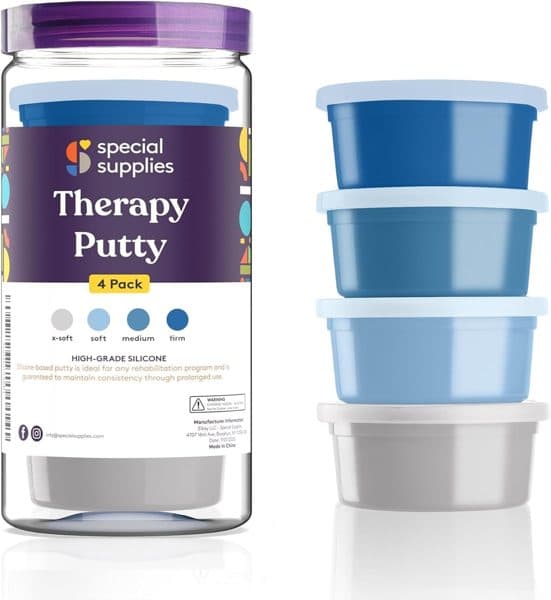
Therapy putty, four strengths

Fidgets & sensory

  • Focus
  • Waiting & outings
  • Ages 4+

Why I recommend it

Dr. Hayley Crain, child psychologist

Therapy putty comes in different strengths, so your child can start easy and work up. Squeezing, pulling and rolling it builds hand strength for things like writing and buttons. It also doubles as a squishy fidget.

How to use it

  1. Start with the softest one and move up only when it feels easy.
  2. Try hiding small beads in it to find, with supervision.
  3. Put it back in its container after play so it does not dry out or pick up lint.

Try saying

“Can you stretch it as long as your arm?”

Good to know

Putty can stick to fabric and carpet. Play at a table, and keep it from little ones who mouth things.

Open as a page to save or share

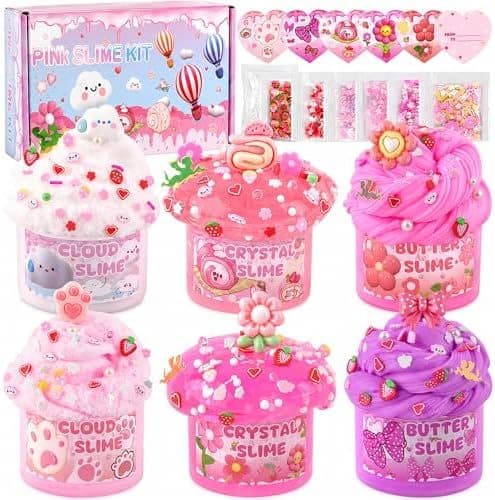
Butter and cloud slime kit

Fidgets & sensory

  • Focus
  • Connection
  • Ages 6+

Why I recommend it

Dr. Hayley Crain, child psychologist

For kids who love to touch, press and squish, different slime textures make for satisfying, focused play. Butter slime spreads and cloud slime feels light and fluffy. It is a hands-on way to settle in.

How to use it

  1. Set up at a table with a tray or mat underneath.
  2. Let your child explore one texture at a time and talk about how each feels.
  3. Store each slime in its sealed tub when you are done.

Try saying

“Which one feels better on your hands today?”

Good to know

Slime is messy and can stick to clothes and carpet. Supervise younger kids and wash hands after.

Open as a page to save or share

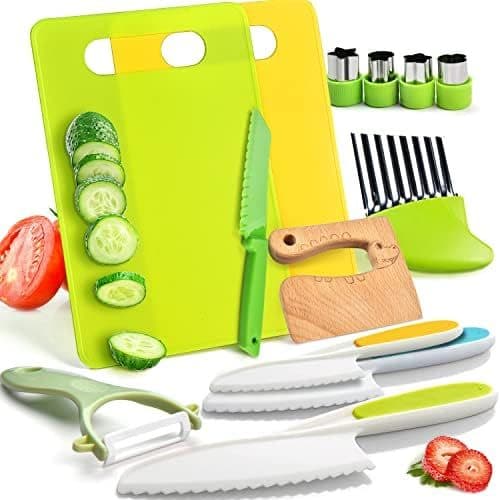
Kid-safe cooking tools

Routines & everyday wins

  • Connection
  • Focus
  • Ages 4+

Why I recommend it

Dr. Hayley Crain, child psychologist

These tools let kids really help in the kitchen. Cutting soft foods, stirring and spreading build independence and hand skills. And cooking together is a nice way to connect.

How to use it

  1. Start with soft foods like bananas, cucumbers or cheese.
  2. Show the safe way to hold the tool and the food first.
  3. Give one clear job at a time and stay right next to them.

Try saying

“You're in charge of cutting the bananas today.”

Good to know

Kid-safe does not mean no supervision. Stay close, especially with younger kids.

Open as a page to save or share

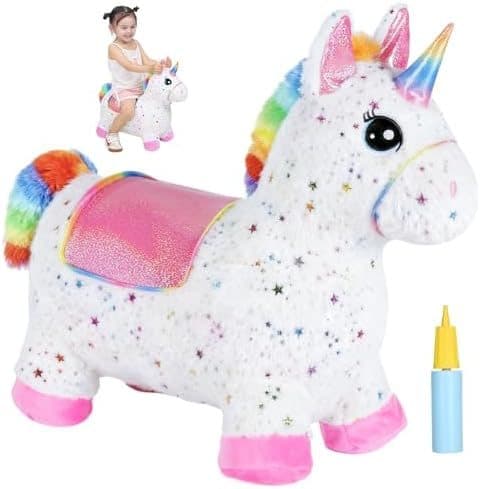
Inflatable bouncy horse

Movement & big-body play

  • Focus
  • Transitions
  • Ages 3+

Why I recommend it

Dr. Hayley Crain, child psychologist

Some kids need to move a lot, and bouncing gives strong body input indoors. This horse is a great outlet on rainy days or before homework. A bit of bouncing first can make sitting still easier after.

How to use it

  1. Set it up on a soft, clear floor away from furniture.
  2. Offer a few minutes of bouncing before a sit-down task.
  3. Keep it to one rider at a time.

Try saying

“Ten big bounces, then we start homework.”

Good to know

Check the weight limit and use it on a soft floor away from corners and stairs.

Open as a page to save or share

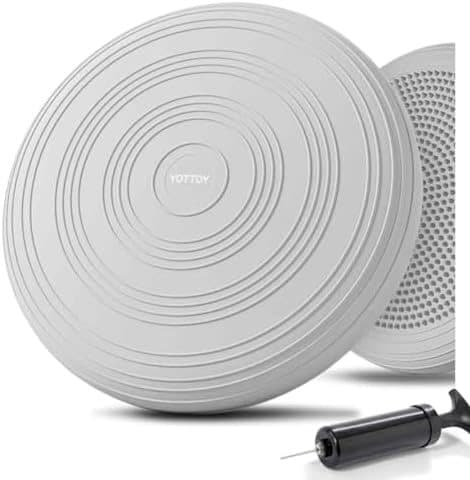
Wobble cushion seat

Movement & big-body play

  • Focus
  • Ages 3+

Why I recommend it

Dr. Hayley Crain, child psychologist

A wobble cushion lets kids move a little while they stay seated. That small movement can help some kids stay at the table or homework desk longer. It is quiet and does not distract others.

How to use it

  1. Put it on their usual chair at the table or desk.
  2. Start with short times and see how your child does.
  3. Adjust the air if it feels too firm or too wobbly.

Try saying

“You can wiggle on your cushion while you work.”

Open as a page to save or share

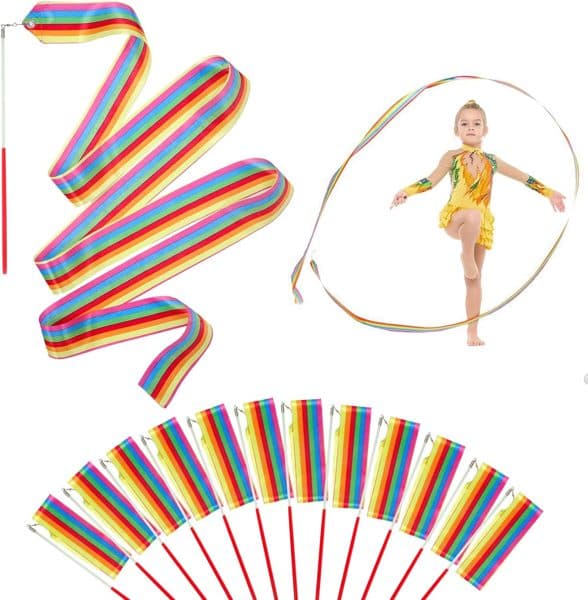
Rainbow dance ribbons

Movement & big-body play

  • Transitions
  • Focus
  • Connection
  • Ages 3+

Why I recommend it

Dr. Hayley Crain, child psychologist

Big arm movements plus music make an easy movement break. Ribbons are light, colorful and fun to swirl, so even kids who resist exercise will join in. Good for between tasks or after a long sit.

How to use it

  1. Put on one or two songs your child likes.
  2. Make big circles, waves and zigzags together.
  3. End with a slow song and slow swirls to wind down.

Try saying

“Let's make the biggest circles we can.”

Good to know

Give each dancer plenty of space, and supervise little ones so ribbons stay away from necks.

Open as a page to save or share